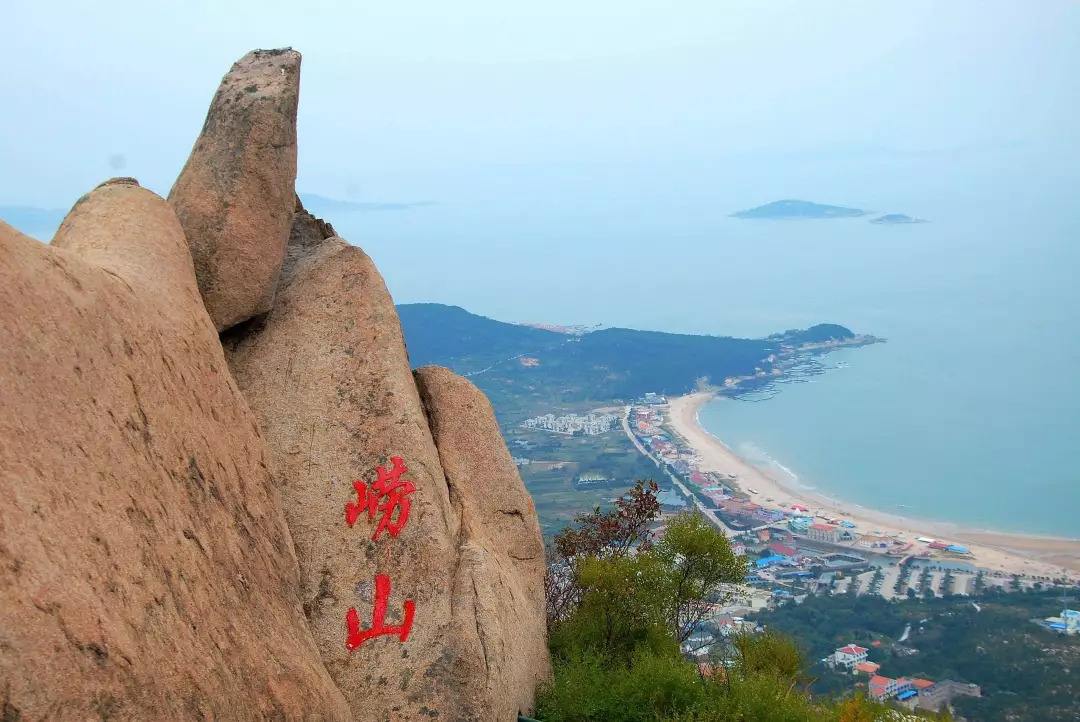
 Qingdao is located on the southeastern coast of the Shandong Peninsula. It is the pearl of the Yellow Sea, the classic of architecture of all nations, the famous city where beer is fragrant, and the hot spot for opening to the outside world.
The most beautiful scenery in Qingdao is on the sea far away from land, which can be appreciated by standing in front of the yacht string and sitting on the bow of a wooden sampan.
The characteristics of Qingdao are presented in the old streets of the old city in the afterglow of the setting sun, in the mountains and seas filled with sea fog, and the coastline before the onset of wind and rain. You can appreciate the fresh green wisteria of Baihuayuan in early spring, the snowy cherry blossoms in Zhongshan Park in late spring, the goose-yellow ginkgo leaves in Zhongshan Park in autumn and the white peaks of Laoshan in winter.
When you arrive in Qingdao, you cannot miss the first experience by looking for the “red tiles, green trees, blue sea and blue sky” in the first impression. You can enjoy wandering in the exotic atmosphere of the “World Architecture Expo”, enjoy the lingering time next to the century-old church in private, take a cruise across the bright white pagoda on Xiao Qingdao, and have a relax on the May Fourth Square, listen to stories in the birthplace of Tsingtao Beer, and stroll on the delicate and soft golden sand.
Many parks in Qingdao have their own characteristics, and the five most popular parks below are equally exciting. The Signal Hill and Xiaoyushan Park with great location are scenic spots where you can overlook the “red tiles and green trees” of Qingdao; Zhongshan Park, named after the cherry blossoms, is the best place for newcomers to shoot outside; you can pass through Luxun Park when you arrive at the No. 1 Bathing Beach; Taipingjiao Park, which is connected to Ba Da Guan Scenic Area, is a good place for a leisurely stroll.
When you come to Qingdao, you must see the German-style architecture of Qingdao. The charming German-style architecture is really pleasing to the eye. The beautiful red tiles, the rough exterior walls, the exquisite carvings, and the gorgeous glass all silently touch people’s hearts. However, what is even more touching is the vicissitudes and historical rise and fall behind these buildings. They give the buildings a soul and make these cold bricks come alive.
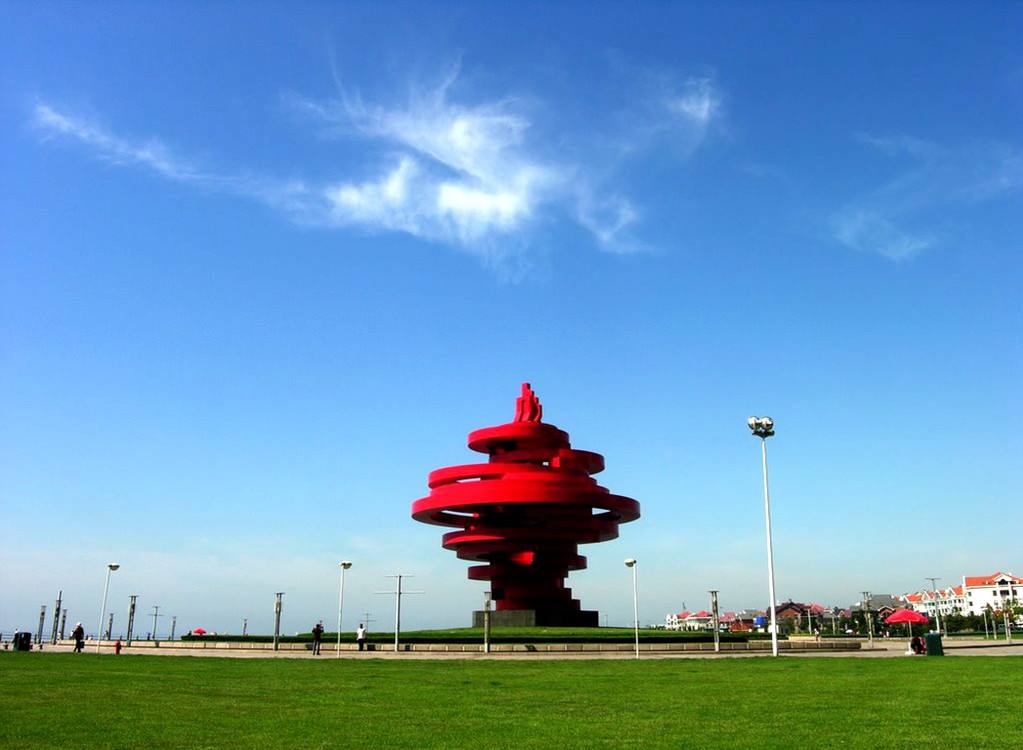 May to October is the best time to travel in Qingdao. July to August is the golden season for swimming and riding waves. At this time, you can experience Qingdao’s customs most. Because the Oktoberfest opens in August, many tourists will gather in Qingdao to enjoy a drink on Midsummer Eve. September gradually enters the autumn season, which coincides with the good seafood season. Crabs, prawns and other seafood are on the market during the season, attracting people to eat. The autumn colors of Ba Da Guan Scenic Area are also very attractive. Standing in the golden sycamore lanes makes you feel like you are in Paris, France.
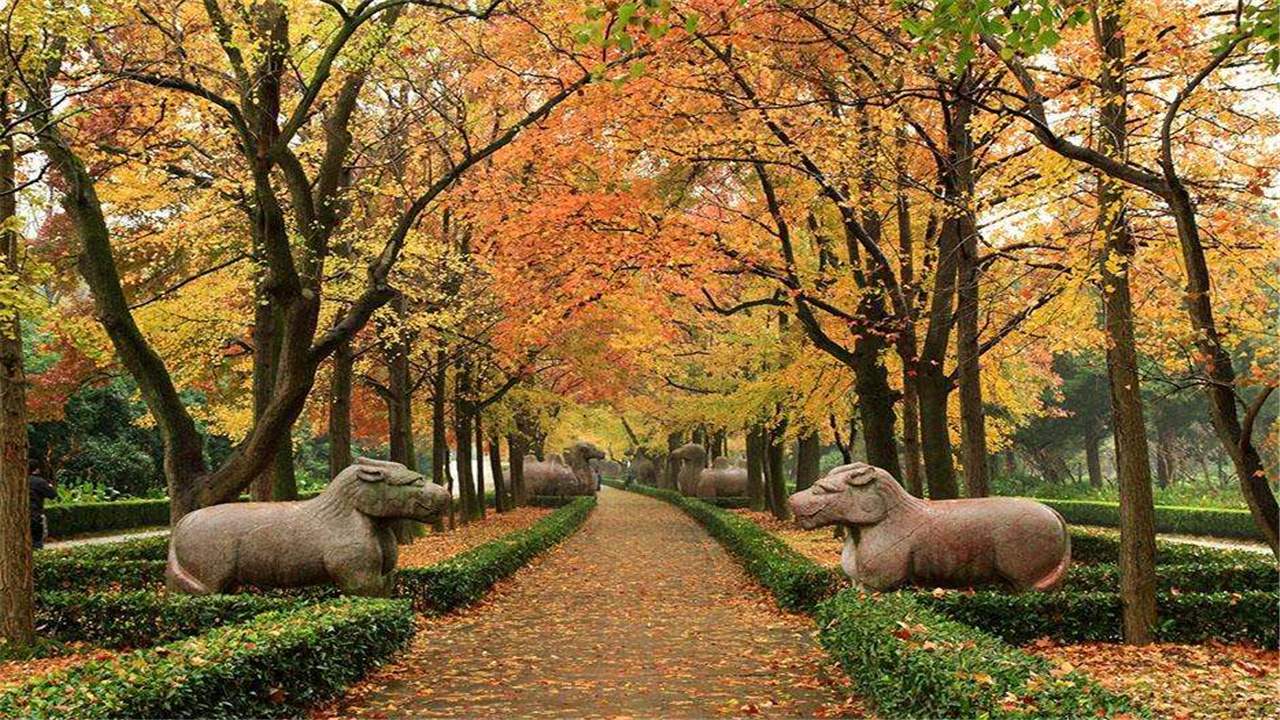
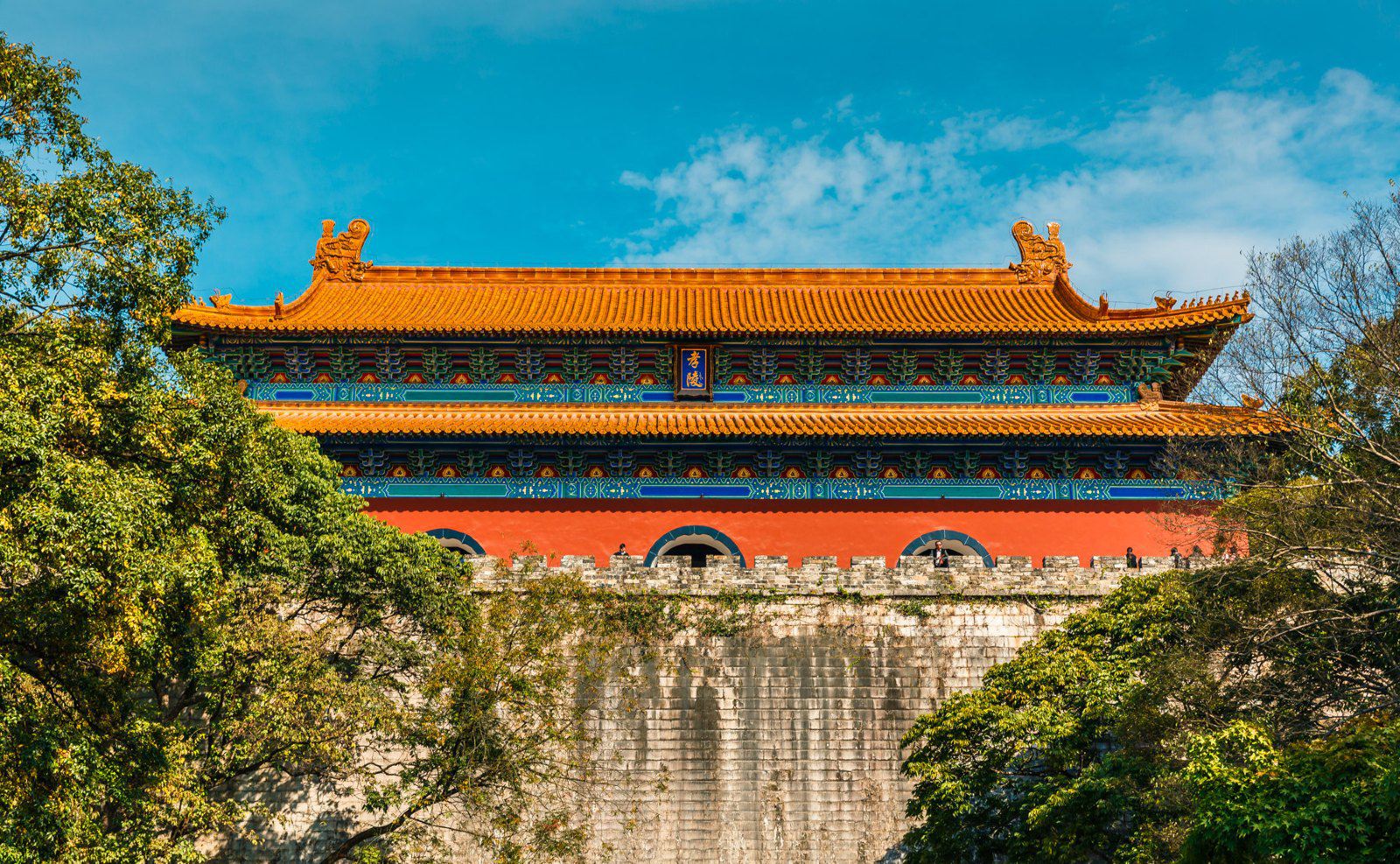 Ming Tomb is the mausoleum of Ming Taizu Zhu Yuanzhang and Queen Ma in the Zhongshan Scenic Area. The magnificent tomb represents the achievements of architecture and stone carving art in the early Ming Dynasty. It also directly influenced the shape of the Ming and Qing emperors’ tombs.
 Xiangdian is also called Xiaoling Hall. It was originally the place where Zhu Yuanzhang and Empress Ma were dedicated to the gods. The original hall has been destroyed. Now it is the Ming Tomb historical materials showroom. Fangcheng is a huge building in front of Xiaoling Baoding. The exterior is built with large stones and the bottom is Sumeru seat. The Ming Tower is above Fangcheng. The original yellow-tile roof was destroyed and later repaired. Follow the trails on the left and right sides of Fangcheng to reach Ming Tower. To the north of Fangcheng is Baoding, which is also known as Baocheng, and it is about 400 meters long and is the residence of Zhu Yuanzhang and Queen Ma’s palace. Enter through the arch in the middle of the Fangcheng, you will find there is a circular arch tunnel inside. Climb 54 steps to get out of the tunnel, then outside is the southern wall of Baoding. Below Baoding is the underground palace of Zhu Yuanzhang’s tomb. No excavation was carried out.
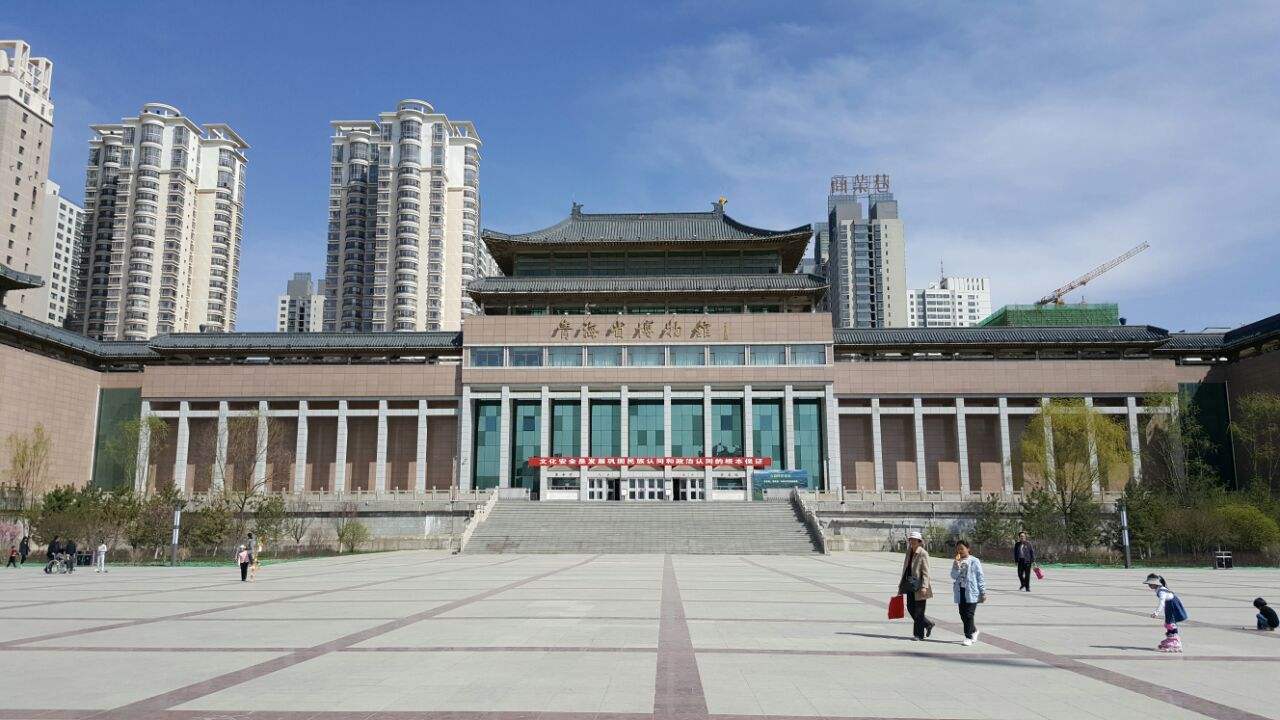 Qinghai Provincial Museum is located at Xinning Square in Xining City. Although it is not a large provincial museum, it is also a good place to learn about Qinghai’s history and cultures of various ethnic groups. In addition, there are exhibition explanations on Tibetan Buddhism and Islamic cultural systems in the museum, which is very helpful for later travel around Qinghai.
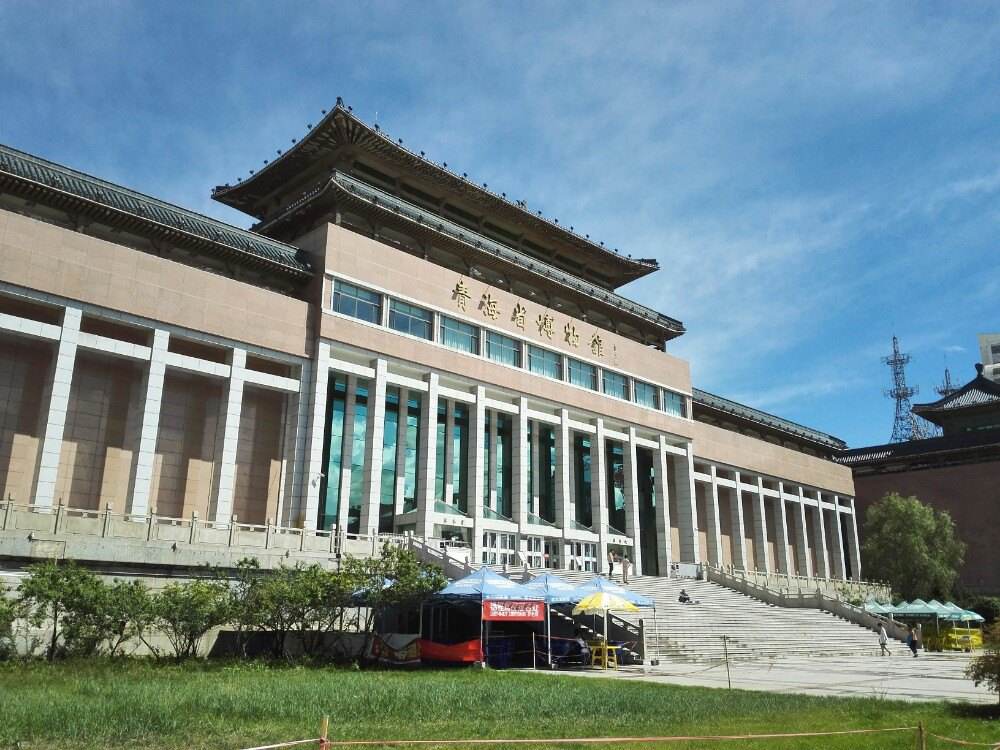 The Qinghai Intangible Cultural Heritage Exhibition showcases the culture and customs of many ethnic groups in Qinghai. There are many models, sand tables, etc. that show Qinghai’s many festivals, etiquette, singing and dancing and other arts and culture. In addition, there are many cultural relics of Tibetan Buddhism in the museum, such as thangka, mandala, etc. Among them, the gilt bronze statue of Guanyin gifted by Emperor Yongle in the Ming Dynasty is the treasure of the entire museum. You can learn about it.
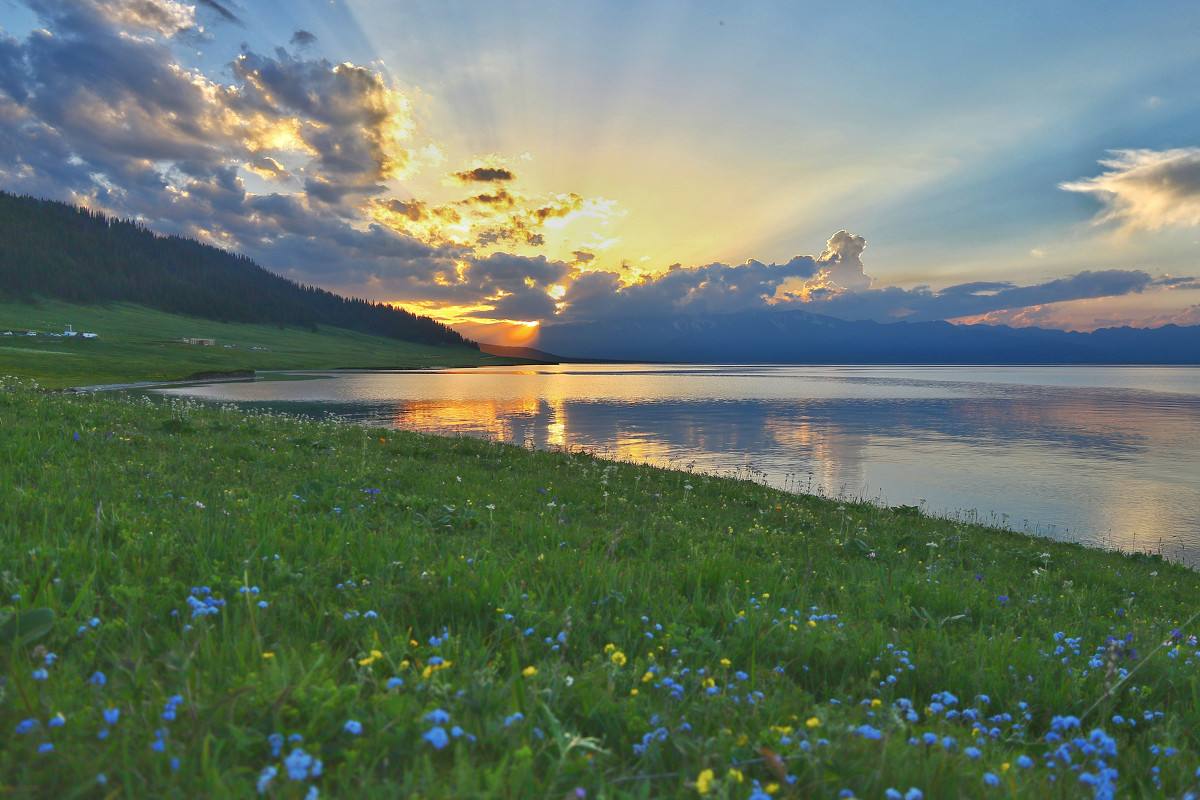 Sayram Lake, known as the “clean sea”, is located in the northern Tianshan Mountains in Bole City, Boltala Mongolia Autonomous Prefecture, Xinjiang, close to Huocheng County, Ili Kazakh Autonomous Prefecture. The lake surface is 2071 meters above sea level, 30 kilometers from east to west and 25 kilometers from north to south. With an area of 453 square kilometers, the water storage capacity is 21 billion cubic meters, the lake water is clear and transparent, and the transparency is 12 meters.
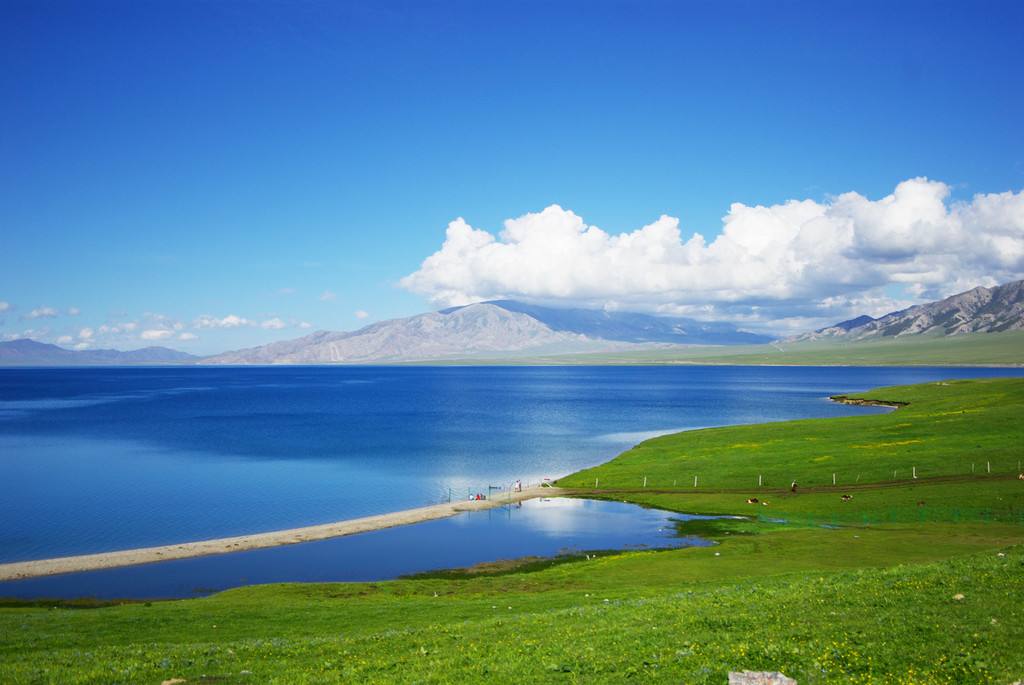 The sunrise of Sayram Lak, the sky after the rain, and the rainbow are very beautiful, which look like the fairyland, the beauty is spectacular, the fun is interesting, the cost performance is super high. It is really a great choice for travelling.
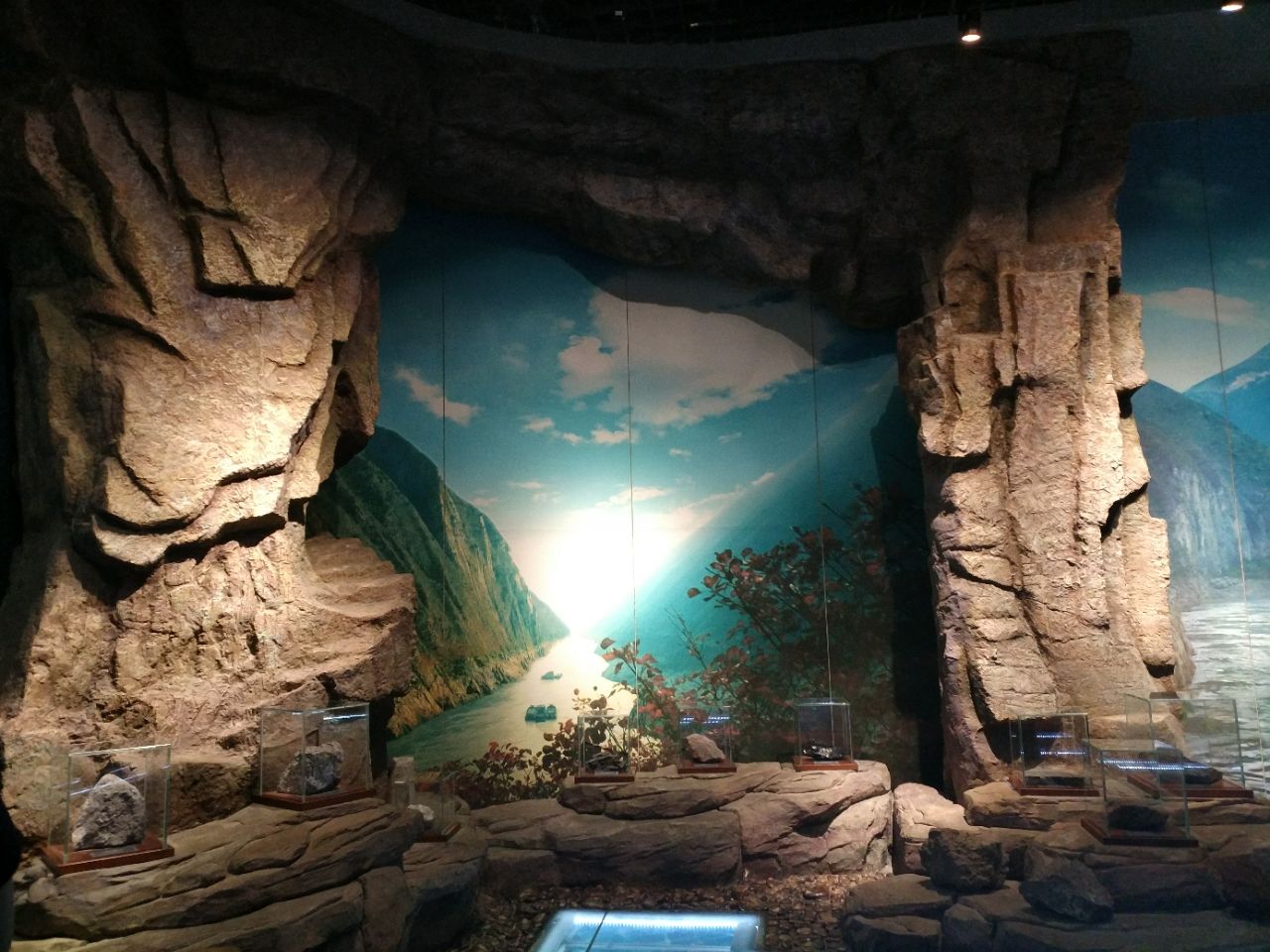
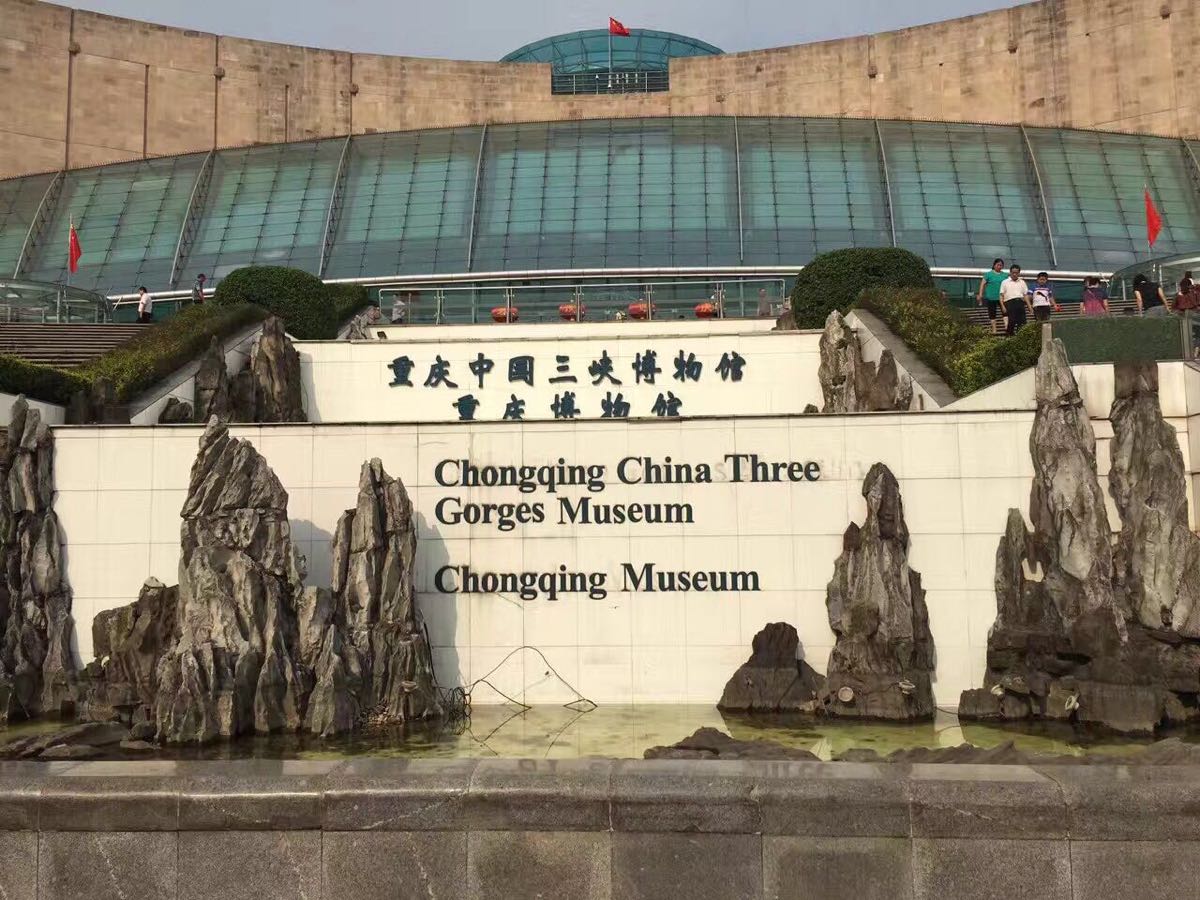 Three Gorges Museum is located on the west side of Chongqing People’s Square. The museum houses tens of thousands of various cultural relics such as Bashu bronzes and sculptures of the Han Dynasty, showing the development history of this mountain city. In the exhibition hall “Magnificent Three Gorges”, a large number of physical objects in the Three Gorges Reservoir area were collected, and the original appearance of the Three Gorges was reproduced.
 On the third floor, the “Chongqing Great Bomb Half-View Painting Exhibition Hall” reproduces the historical events of the Chongqing Great Bomb through modern technological means and sculptures, oil paintings and other forms. “Years of War of Resistance Against Japan” shows the contributions and sacrifices of the city of Chongqing and the people of Chongqing for the War of Resistance against Japan with many detailed materials.
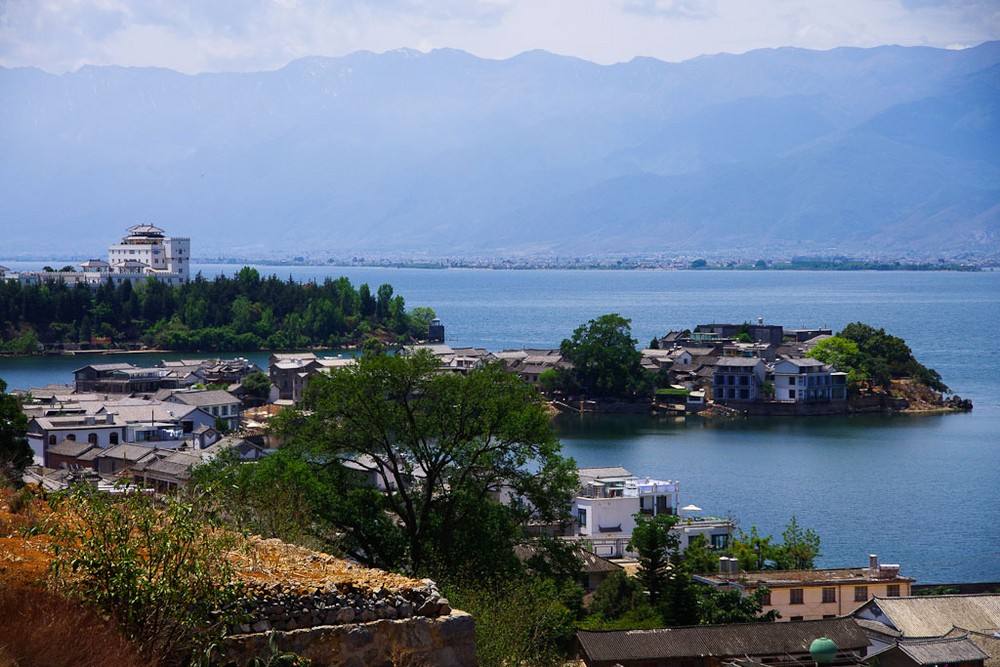 “The scenery of Dali is in Cangshan and Erhai Lake, and the scenery of Cangshan and Erhai Lake is in Shuanglang.” Shuanglang is famous for its invincible lake view. Sunlight is refracted through the clouds on the lake, forming the “Erhai God Light”, which is accompanied by the beautiful Cangshan Mountain as the background. It is the best lens that photographers want to capture.
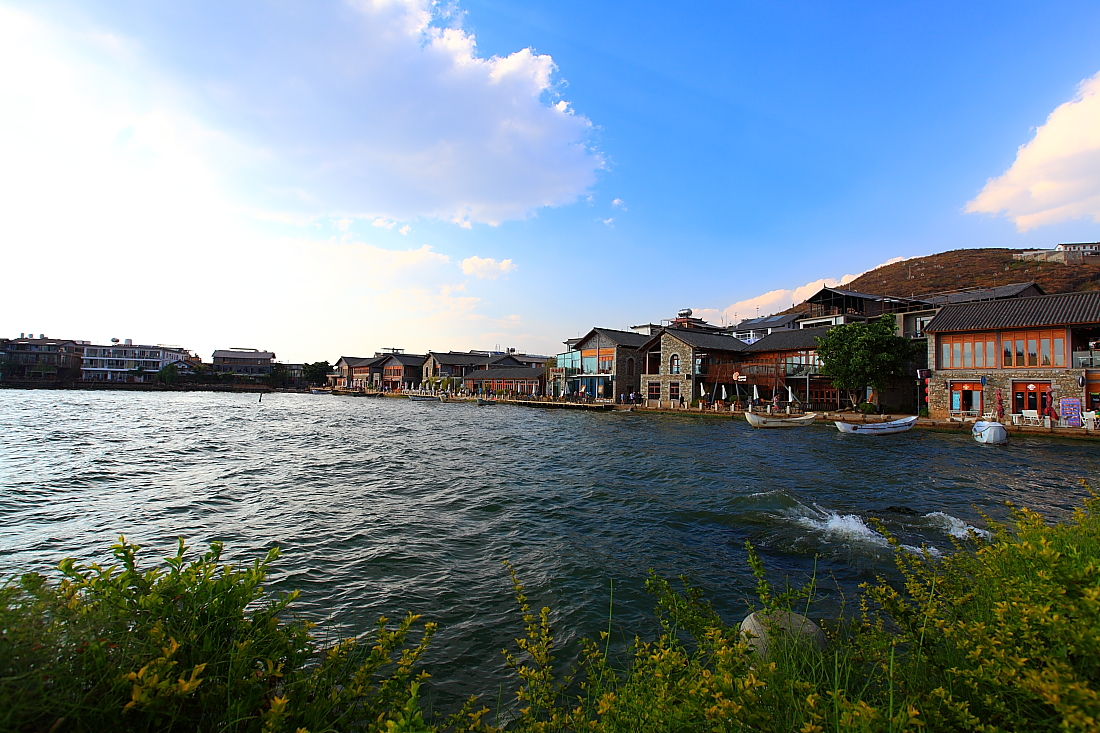 The Shuanglang town, a term full of fantasy for countless people, is a fishing village where many people choose to avoid the world, a place that many people call the Peach Garden lie paradise. In this place where it is called the first town of the Cangshan and Erhai Lake Scenery, you can see some laws of Chinese-style development of tourist towns. It is simple and complex, elegant and secular, quiet and restless. This is like a desire field, everyone is very proud, and everyone is very frustrated. The best experience in Shuanglang is to look at those inns near the sea. It is definitely the most beautiful scenery. Its biggest feature is quietness. The blue sky and white clouds of Shuanglang are very pure and beautiful, with nice scenery, pleasant climate, fresh air and suitable temperature. It is a good place for leisure and vacation.
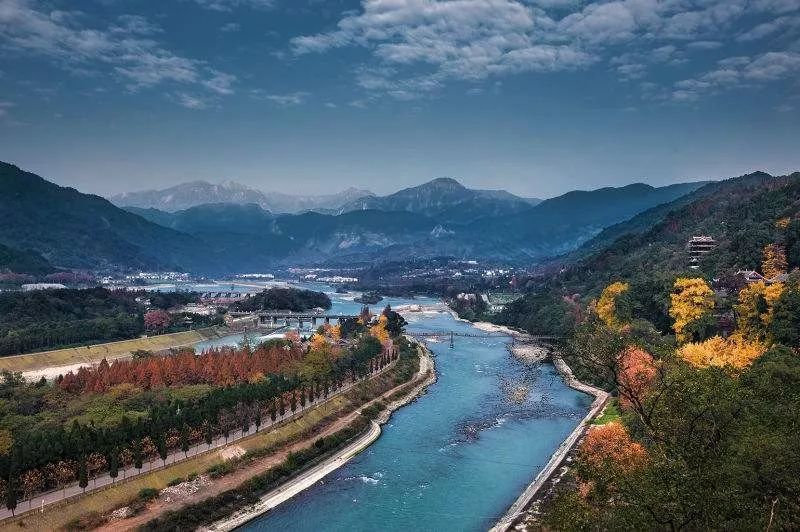 Dujiangyan Irrigation System is located on the Minjiang River in the west of Chengdu Plain, in the west of Dujiangyan City, Sichuan Province. Dujiangyan Irrigation System is not only a world-famous ancient Chinese water conservancy project, but also a famous scenic spot. The Dujiangyan Irrigation System has beautiful scenery and many cultural relics and monuments, including Fulong Temple, Erwang Temple, Anlan Cable Bridge, Yulei Pass, Lidui Park, Yulei Mountain Park, Lingyan Temple, Puzhao Temple, Cui Yue Lake, Dujiangyan Irrigation System water conservancy and other projects.
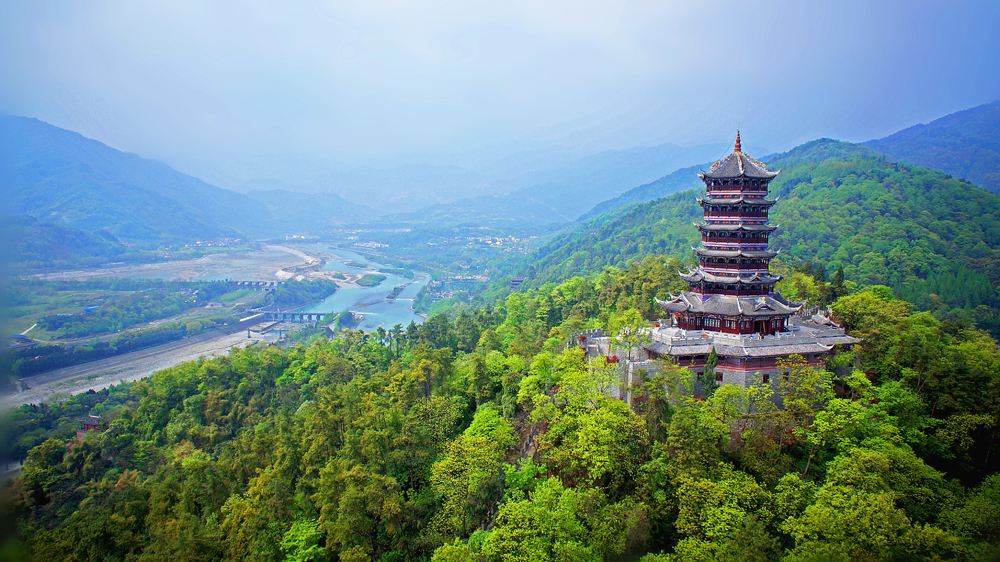 Dujiangyan Irrigation System is the greatest water conservancy project in Chinese history. It has defended the Chengdu for thousands of years and created a rich city. If you come here to travel, it is recommended to arrange a two-day and one-night itinerary, so that you can fully enjoy the Qingcheng Mountain, Dujiangyan Irrigation System and other attractions, and you will not be tired.
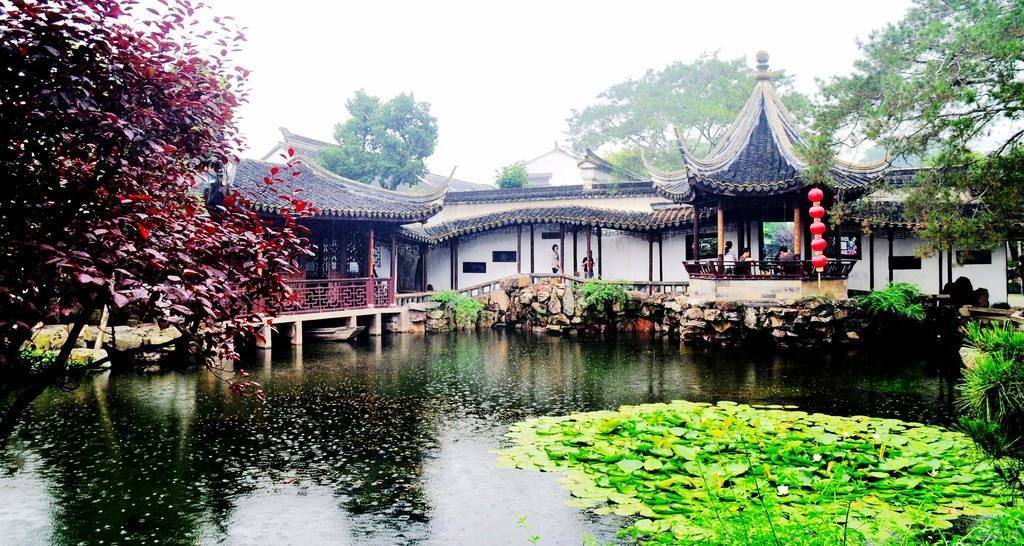 What is Suzhou? She is a thousand-year-old city with a long history and the most vibrant and dynamic modern city; she is the Jiangnan water village, and the vast and beautiful Taihu Lake; she is a world-class exquisite garden and the traditional dwelling; she is the first mountain Tiger Hill, and the Hanshan Temple; she is Kunqu opera, criticism, silk and Su embroidery.
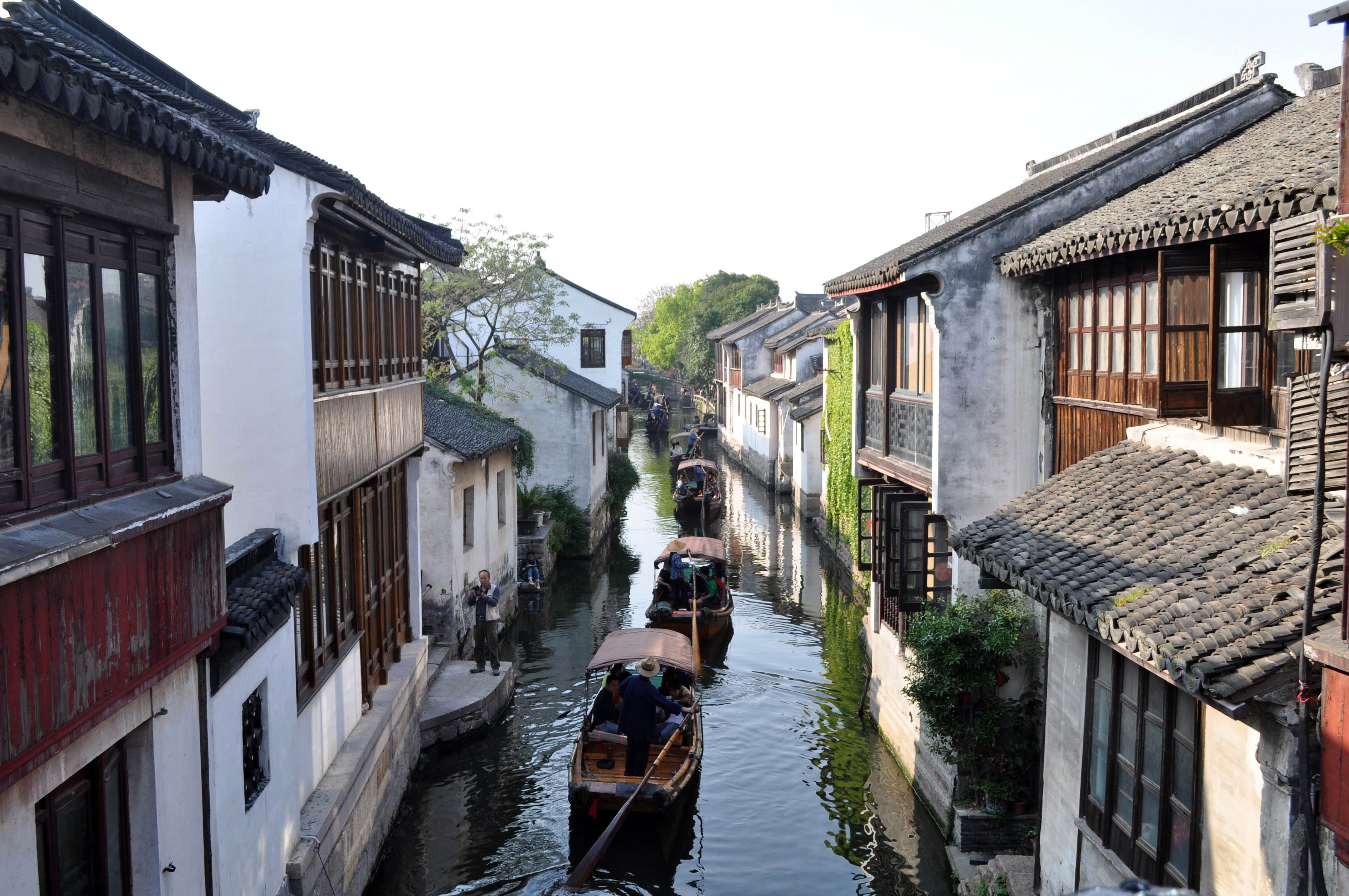 The ancient water towns in Suzhou are a model of Jiangnan water towns. Among them, Zhouzhuang, Tongli, Mudu, Jinxi, Jiaozhi, and Fengqiao are typical. These ancient towns retain a large number of Ming and Qing dynasties’ old houses, quaint street markets, long water lanes, winding rivers, clear water and light bridge shadows, and the water village style of “the sedan walks through the door, the boat passes at home” are true portrayals of the ancient water town of Suzhou.
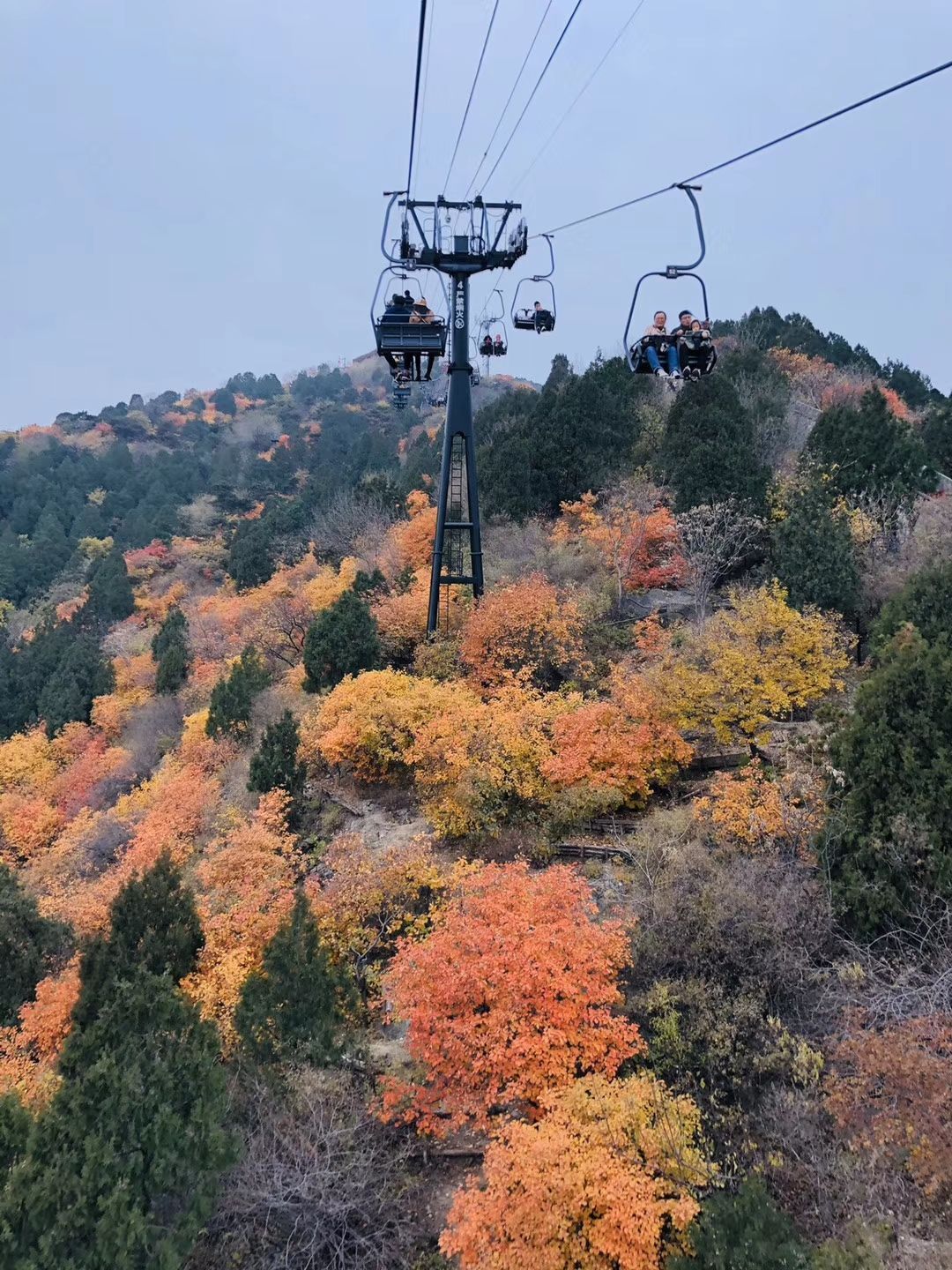 Fragrant Hills Park is located in the western suburbs of Beijing. It is a royal garden with mountain forest features. The park is lush and there are many monuments hidden in the forest. It is a viewing spot and natural oxygen bar in Beijing. The “Fragrant Hills Red Leaves” is the highlight of the scenic spot every autumn, and it is well known in China.
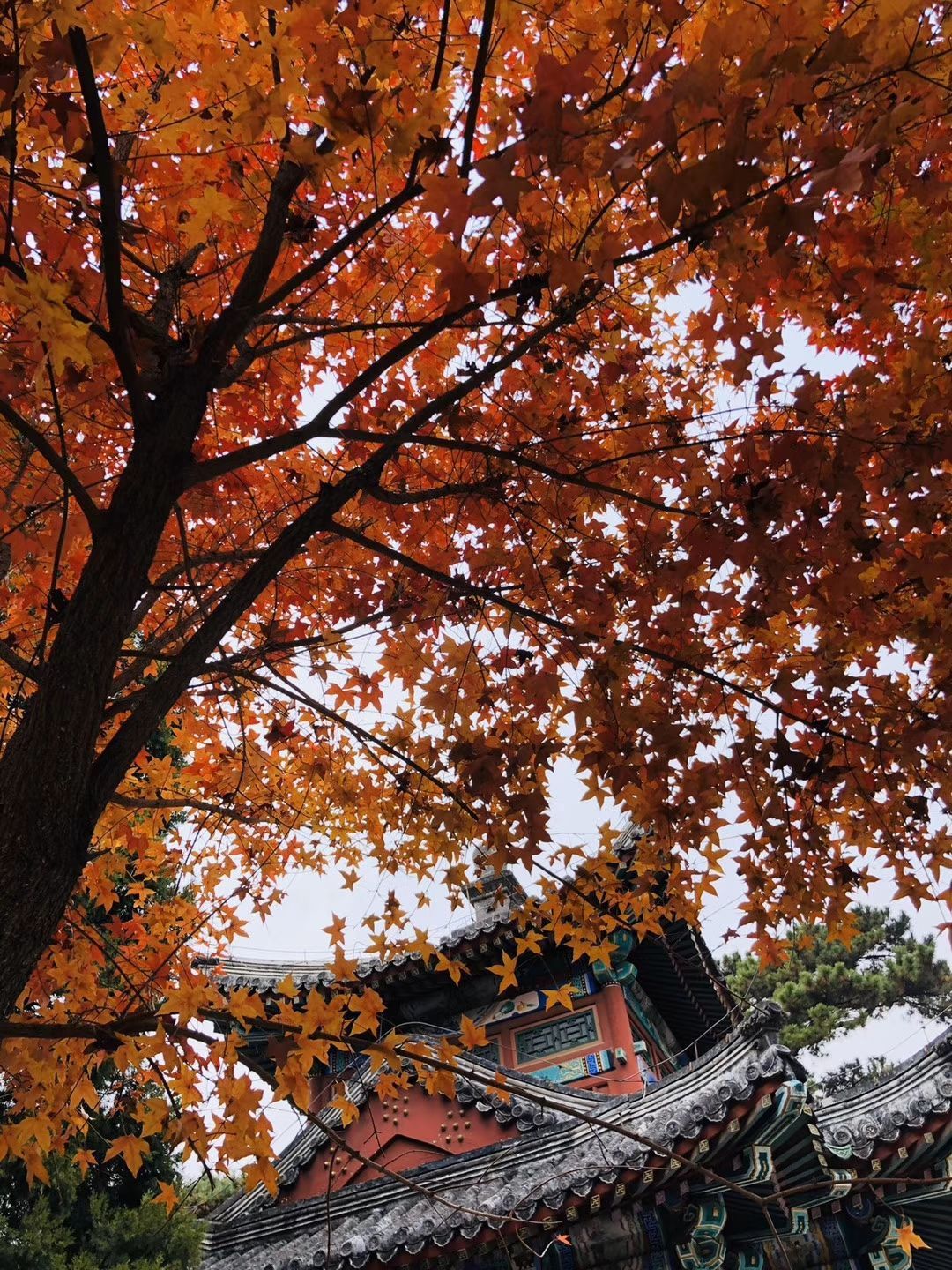 Fragrant Hills Park is a park with the classical charm. There are mountains, water and classical garden buildings. Visit Fragrant Hills Park and feel the beauty of nature! Red leaves in the mountains are also a big feature in autumn! Autumn is a good season to go to Fragrant Hills Park to enjoy the mountains and wild red maples! There are a lot of photographers here, Fragrant Hills park under the blue sky and white clouds is very beautiful!
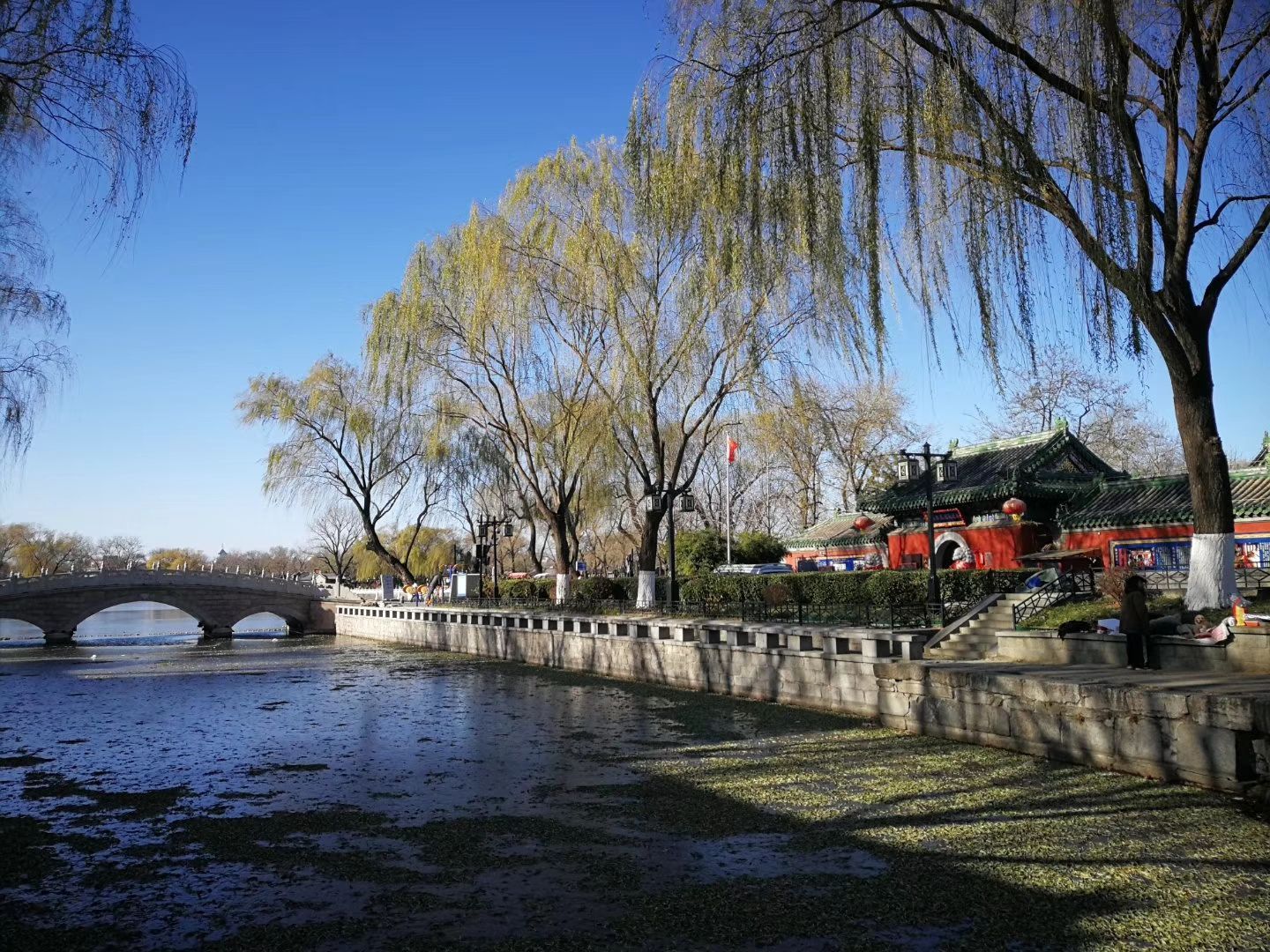 Shichahai refers to the three lakes of Qianhai, Houhai and Xihai and their neighboring areas. It has a large and beautiful lake. It is also a famous historic district in Beijing. Many celebrities’ former residences, royal palaces and other monuments are scattered among them. There are all kinds of delicious food close to people’s life. Houhai Bar Street is an old-style resort for the nightlife of Beijing.
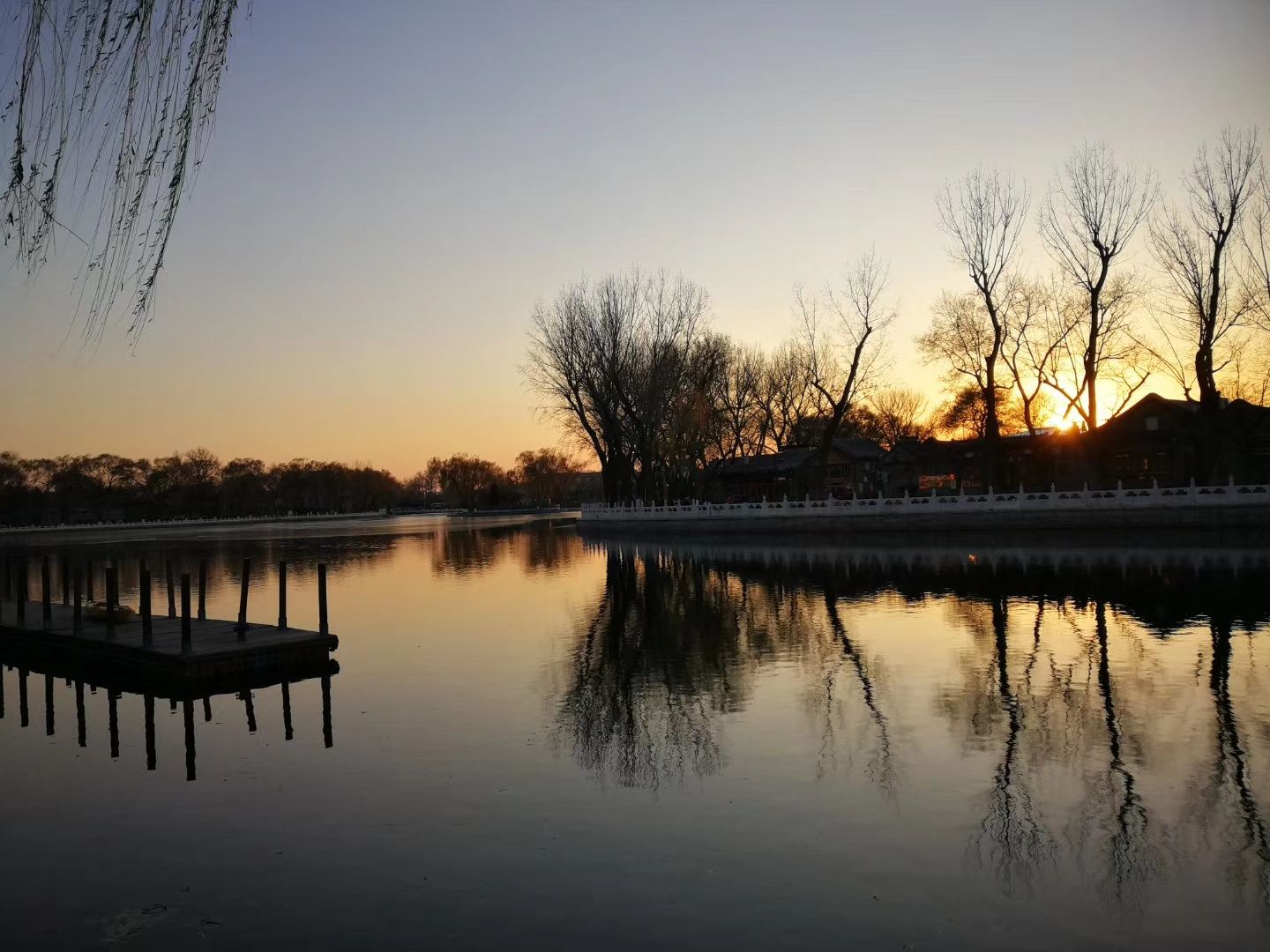 Shichahai lies on Nanluoguxiang in the east and Beihai Park in the south. It is not far from Jingshan Park, Forbidden City and Tiananmen Square. Usually, you can visit the Forbidden City or Tiananmen in the daytime, and sit at the Shichahai bar in the evening; if you don’t go to the Forbidden City and Tiananmen Square, and you just like the lake view, you can play at Shichahai or Beihai Park; if you only like to go shopping or looking for delicious snacks, you can go to the Nanluogu next to Shichahai.