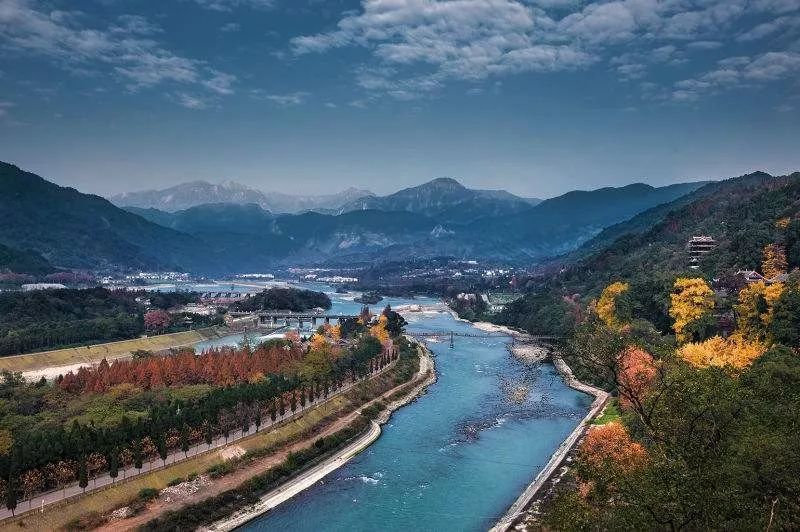
 Dujiangyan Irrigation System is located on the Minjiang River in the west of Chengdu Plain, in the west of Dujiangyan City, Sichuan Province. Dujiangyan Irrigation System is not only a world-famous ancient Chinese water conservancy project, but also a famous scenic spot. The Dujiangyan Irrigation System has beautiful scenery and many cultural relics and monuments, including Fulong Temple, Erwang Temple, Anlan Cable Bridge, Yulei Pass, Lidui Park, Yulei Mountain Park, Lingyan Temple, Puzhao Temple, Cui Yue Lake, Dujiangyan Irrigation System water conservancy and other projects.
In 1982, Dujiangyan Irrigation System, as an important part of the Qingcheng Mountain-Dujiangyan Irrigation System scenic spots in Sichuan, was approved by the State Council to be included in the list of the first batch of national scenic spots. Due to its long history, large scale, reasonable layout, scientific operation, and harmonious integration with the environment, the Dujiangyan Irrigation System has a prominent universal value in history and science. Therefore, Dujiangyan Irrigation System has been identified as a world cultural heritage. On May 8, 2007, the Qingcheng Mountain-Dujiangyan Irrigation System tourist scenic spot in Chengdu was officially approved as a national 5a-level tourist scenic spot by the National Tourism Administration.
Qingcheng Mountain is a famous historical mountain and a national key scenic spot in China. In 2000, it was included in the World Heritage List as a World Cultural Heritage with Dujiangyan Irrigation System. It is located in the southwest of Dujiangyan Irrigation System in Sichuan Province, in the northwest of Chengdu Plain, in the Qingcheng Mountain-Dujiangyan Irrigation System scenic area, 68 kilometers from Chengdu and 16 kilometers from Dujiangyan Irrigation System downtown. Qingcheng Mountain is close to the Minshan snow mountain, facing the western Sichuan Plain. The mountain forest is verdant and evergreen.
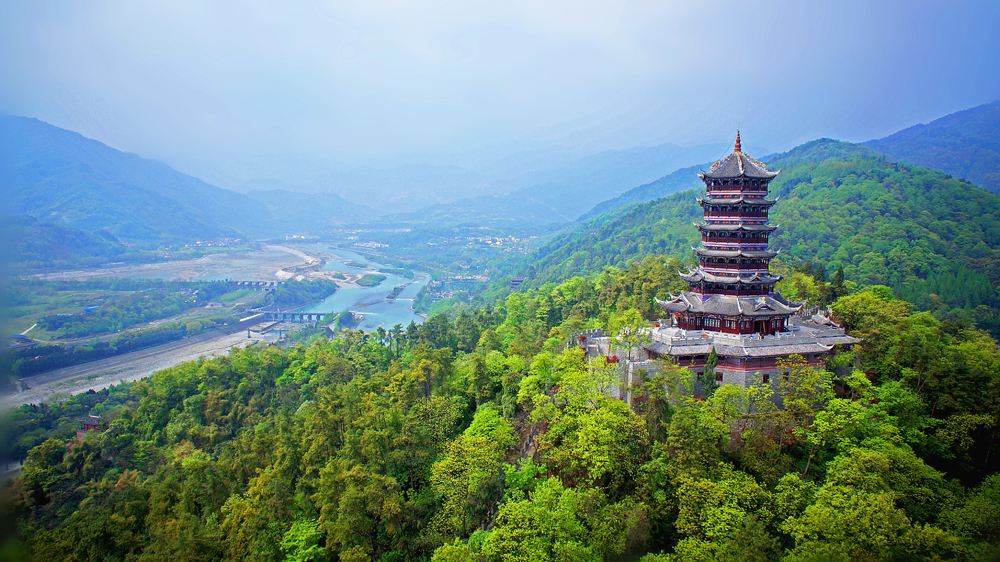 Dujiangyan Irrigation System is the greatest water conservancy project in Chinese history. It has defended the Chengdu for thousands of years and created a rich city. If you come here to travel, it is recommended to arrange a two-day and one-night itinerary, so that you can fully enjoy the Qingcheng Mountain, Dujiangyan Irrigation System and other attractions, and you will not be tired.
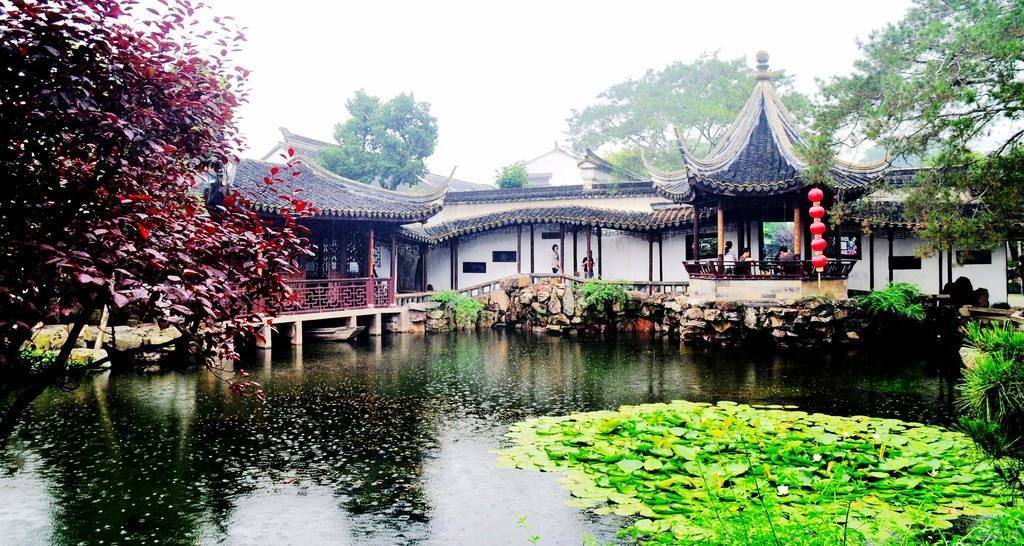 What is Suzhou? She is a thousand-year-old city with a long history and the most vibrant and dynamic modern city; she is the Jiangnan water village, and the vast and beautiful Taihu Lake; she is a world-class exquisite garden and the traditional dwelling; she is the first mountain Tiger Hill, and the Hanshan Temple; she is Kunqu opera, criticism, silk and Su embroidery.
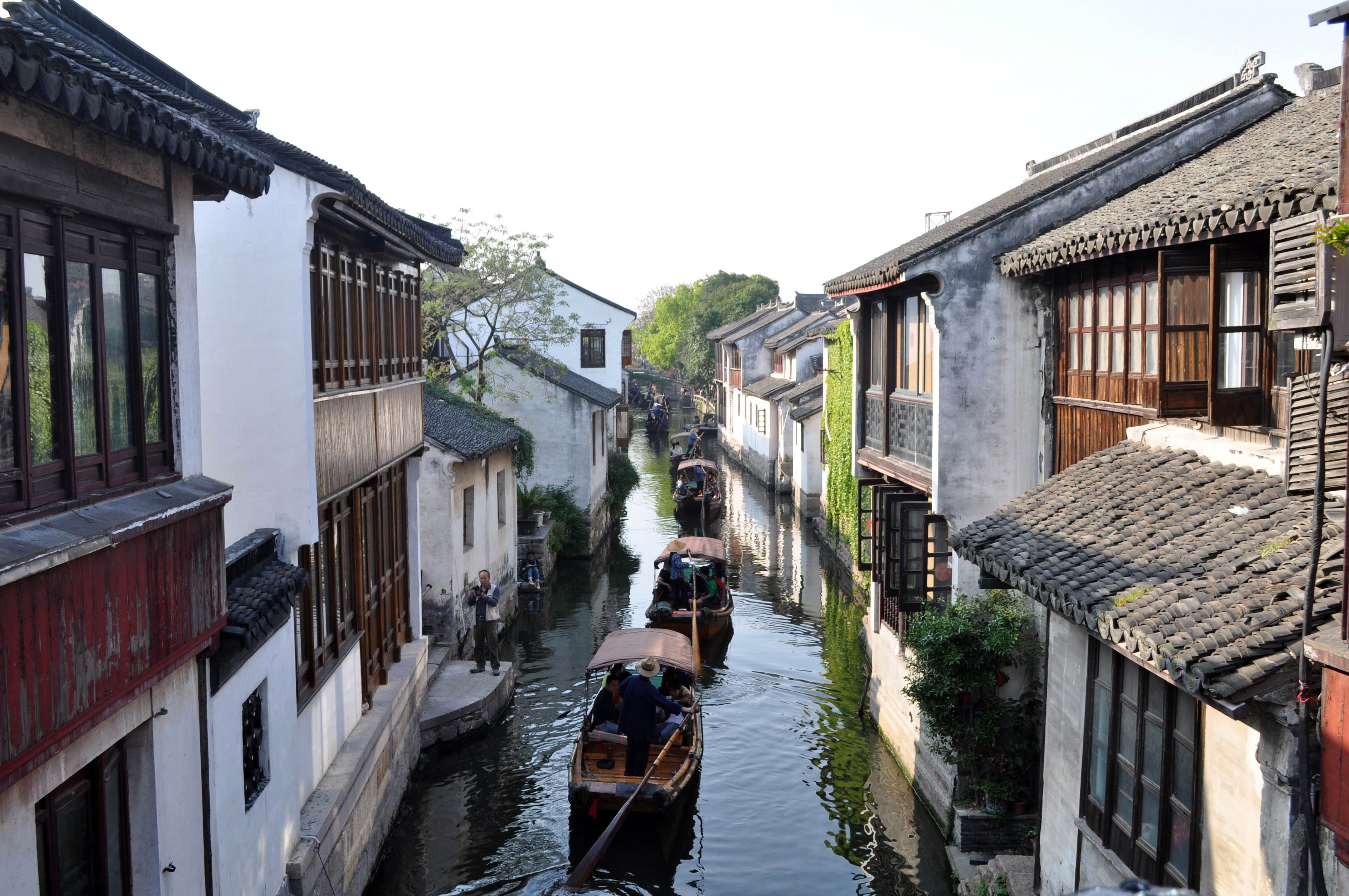 The ancient water towns in Suzhou are a model of Jiangnan water towns. Among them, Zhouzhuang, Tongli, Mudu, Jinxi, Jiaozhi, and Fengqiao are typical. These ancient towns retain a large number of Ming and Qing dynasties’ old houses, quaint street markets, long water lanes, winding rivers, clear water and light bridge shadows, and the water village style of “the sedan walks through the door, the boat passes at home” are true portrayals of the ancient water town of Suzhou.
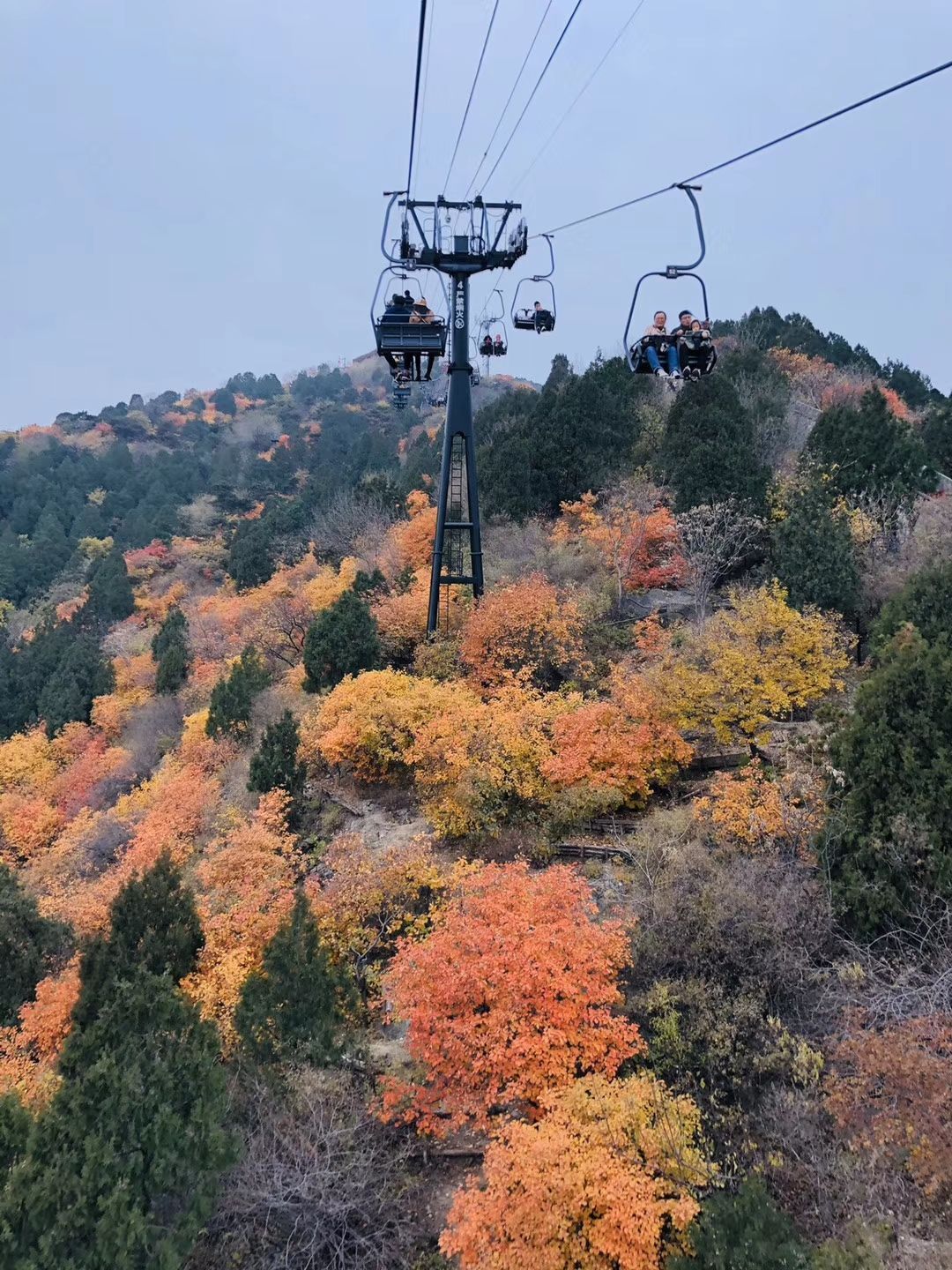 Fragrant Hills Park is located in the western suburbs of Beijing. It is a royal garden with mountain forest features. The park is lush and there are many monuments hidden in the forest. It is a viewing spot and natural oxygen bar in Beijing. The “Fragrant Hills Red Leaves” is the highlight of the scenic spot every autumn, and it is well known in China.
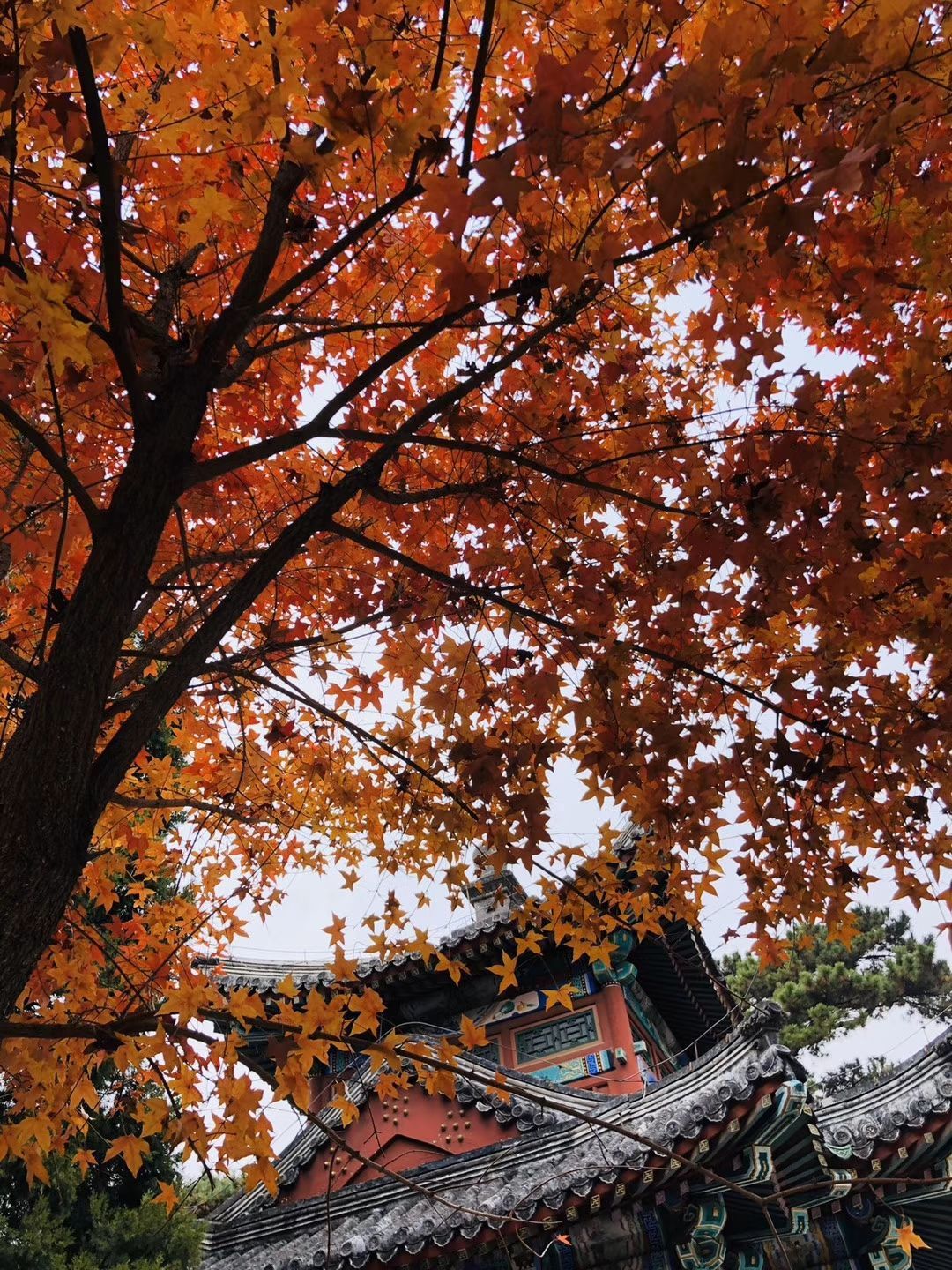 Fragrant Hills Park is a park with the classical charm. There are mountains, water and classical garden buildings. Visit Fragrant Hills Park and feel the beauty of nature! Red leaves in the mountains are also a big feature in autumn! Autumn is a good season to go to Fragrant Hills Park to enjoy the mountains and wild red maples! There are a lot of photographers here, Fragrant Hills park under the blue sky and white clouds is very beautiful!